
The plant
Iboga (Tabernanthe iboga) is a tropical rainforest shrub, native to West and Central Africa. It grows from 2 to 10 meters tall, bears white-pink flowers and orange fruit. The yellow root contains the active indole alkaloids, in particular ibogaine, concentrated in the root bark.
Other names
Depending on the language: eboghe, eboka, maboga, diboga, bwete. At Ebando, we speak of eboghe as a healing agent.
Traditional use
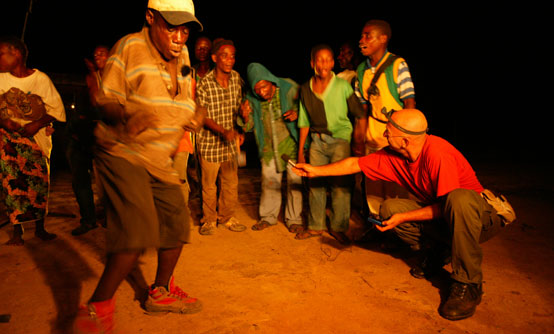
Iboga is central to the religious ceremonies of Bwiti in Gabon, Cameroon and the Republic of Congo. Taken in high doses during initiation, in smaller amounts during rituals and nighttime tribal dances.
Effects by dose
- Low dose: sharpens perception, helps hunters in the forest, extends wakefulness.
- High dose (initiation): nausea, vomiting, muscle weakness, intense visionary experience. The initiate lives what is described as a passage to the other side and a confrontation with their own mortality.
National treasure
On June 6, 2000, the Council of Ministers of Gabon declared Tabernanthe iboga a national treasure.
Safety
Iboga is not a recreational substance. It has severe cardiac and psychiatric contraindications. See the Safety and contraindications page →